

Welcome
Moviesda Com: Guide to Regional Cinema & Legal Streaming Link
Looking for updates on Moviesda? Read our complete 2026 analytical guide on South Indian cinema, domain status, and secure streaming alternatives.
Stories worth reading, characters worth remembering, and adventures waiting around every page.
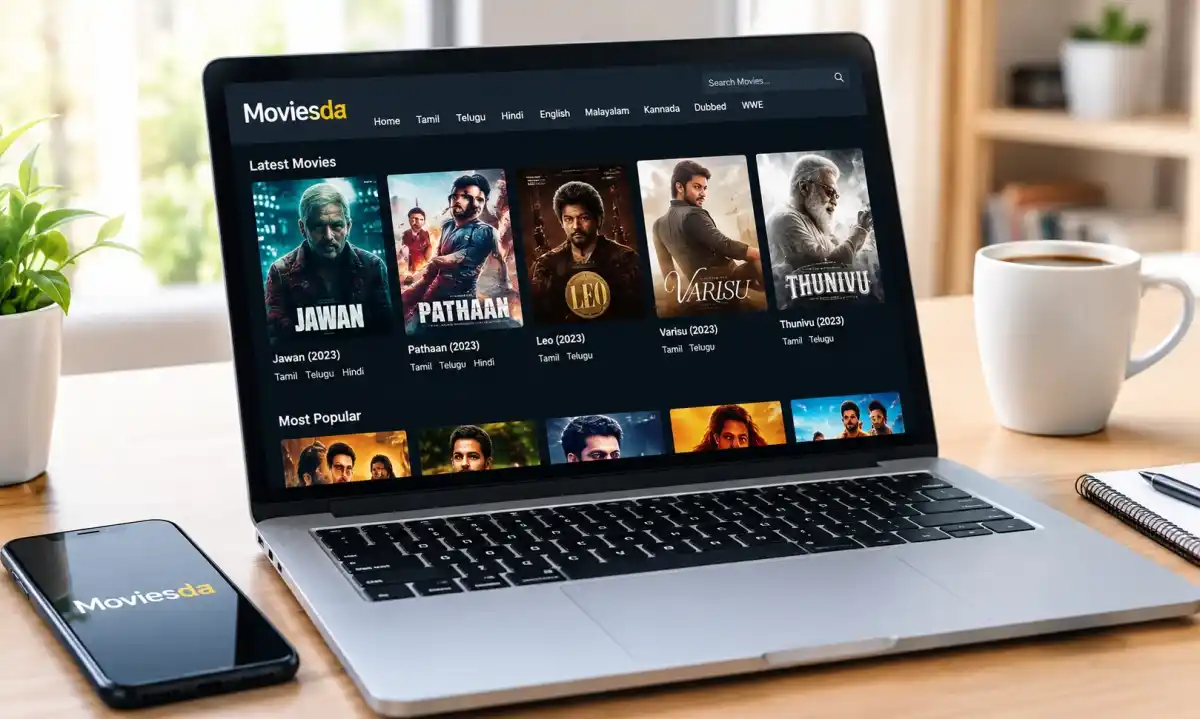
The dynamic world of regional cinema has seen massive growth globally, but along with it, the challenge of finding verified viewing links has also increased. Millions of casual entertainment fans daily look up terms like Moviesda or Moviesda com in hopes of discovering comprehensive directories of South Indian films. However, navigating these queries requires a solid understanding of web safety, copyright laws, and the digital publishing ecosystem.
Here is the structural reality: running an unlicensed digital repository that distributes copyrighted video tracks without express permissions is completely illegal. Our comprehensive analytical guide breaks down the architecture behind these search trends while pointing you directly toward 100% legitimate, safe, and secure media networks.
Understanding the phenomena of Moviesda com
The digital web is filled with legacy search terms that point toward underground indexing platforms. Moviesda com became prominent years ago as a peer-to-peer sharing hub that specialized exclusively in high-definition rips of regional cinematic titles.
The website gained initial traction due to its ultra-minimalist mobile interface, allowing users on low-bandwidth networks to browse categorized indexes. Despite its popularity among specific demographics, the system functions by directly circumventing the legal rights of film producers, media houses, and distribution networks.
Why do users search for regional movie databases?
The global demand for regional cinema—specifically Tamil, Telugu, Malayalam, and Kannada productions—has grown exponentially over the past five years. Often, mainstream international streaming services do not catalog older, niche, or independent regional films immediately, which drives desperate users toward unverified databases.
When a highly anticipated trailer drops or a film makes a massive splash at the local box office, search volumes for rapid media file links explode online. Unfortunate gaps in global digital availability mean that viewers from international territories frequently turn to unauthorized search terms out of sheer convenience, risking their cybersecurity in the process.
The structural connection between Moviesda and Isaimini
In the backend architecture of web piracy networks, independent sites rarely operate in complete isolation. Historical tracking by anti-piracy cells reveals that the platform shares common hosting infrastructure, content delivery networks (CDNs), and database backups with another notorious torrent platform known as Isaimini.
These platforms operate as an interconnected syndicate. When one brand facing intense legal heat goes down, the database is instantly mapped onto a sister platform using a slightly modified user interface. This structural mirroring allows the network administrators to retain their massive organic search traffic without starting their site indexing from scratch.
How domain shifting works on digital piracy platforms
You might notice that whenever you look up a legacy piracy platform, the web extension is never consistent. One week it might end in
.com, the next in .net, .cc, .mobi, or even temporary top-level domains like .xyz.This constant redirection is known as domain shifting or proxy hopping. As soon as a country’s department of telecommunications or cyber defense wing blacklists a specific URL at the local ISP level, the administrators migrate the primary domain name system (DNS) records to a brand-new registrar located in a country with lenient copyright enforcement laws.
The legal status of unauthorized film distribution networks
Distributing or accessing copyrighted material through unlicensed channels is a severe offense under intellectual property frameworks globally, including the Indian Copyright Act of 1957. Hosting digital copies of intellectual property without a verified commercial license constitutes direct criminal infringement.
Regulatory authorities have implemented strict legislative blocks against these platforms. Engaging with portals that distribute pirated media files can leave an operator or consumer vulnerable to statutory fines, severe legal notices, and statutory penalties depending entirely on local judicial laws.
Hidden security threats of browsing unlicensed websites
The old saying stands true: if you are not paying for the product, your data is the product. Piracy networks do not run out of charity; they require high-end server farms that cost thousands of dollars monthly to keep online.
To monetize these massive data streams, administrators partner with malicious third-party ad networks that utilize forced redirects and automated scripts. The moment you tap a fake “Download HD” icon, your browser executes a background command that can install dangerous spyware, financial keyloggers, or hidden cryptominers that drain your device hardware resources.
Understanding the impact of movie piracy on the film industry
Digital piracy is not a victimless crime. A major motion picture requires thousands of working-class creative professionals—including camera crews, spot boys, line editors, sound designers, and visual artists—who rely entirely on box office receipts and legal streaming sales for their livelihood.
When a theatrical print leaks onto a platform hours after its official release, it directly damages the immediate commercial returns of the film. Over time, these massive financial losses discourage production studios from investing in experimental, high-budget, or culturally rich regional stories, crippling the creative industry at large.
Top legal alternatives to stream regional cinema safely
The rise of the official digital ecosystem means that consumers no longer need to navigate dangerous, unverified web portals to view their favorite cinema. Clean, high-fidelity legal streaming alternatives offer premium access with high-end security.
- Amazon Prime Video: Universally recognized as a powerhouse for regional titles, securing exclusive digital premiere rights for major Kollywood and Tollywood studio releases.
- Netflix: Offers incredible multi-language audio tracks, studio-grade Dolby Atmos sound optimization, and clean closed captions for global audiences.
- Disney+ Hotstar: Combining live television networks, major regional sporting events, and newly premiering theatrical movies under one secure subscription framework.
The rise of dedicated South Indian OTT platforms
Beyond the mainstream global conglomerates, the Indian digital landscape has seen a massive surge in hyper-localized over-the-top (OTT) media solutions that cater precisely to native language preferences.
Platforms such as Aha Video focus strictly on premium Telugu and Tamil libraries, offering high-production originals and classic archival restorations. Similarly, Sun NXT remains an unrivaled giant for Tamil television networks, movie archives, and musical broadcasts, ensuring that heritage media remains permanently accessible through official legal channels.
How to watch newly released Tamil movies legally in HD
A common misconception among movie lovers is that theatrical titles take months to land on legitimate platforms. In the modern distribution window, almost every major cinematic release transitions to an official digital premiere within 30 to 45 days of its theatre launch.
Many major films even offer an early-access “Transactional Video on Demand” (TVOD) rental option on services like Google TV or YouTube Movies. This allows fans to stream pristine 4K video files safely with full legal peace of mind for less than the cost of a standard cinema ticket.
Where to find dual audio and dubbed international films
Audiences frequently seek multi-audio configurations to enjoy Hollywood blockbusters in their native regional dialects. While older piracy sites used to advertise messy, low-quality dual-audio bootlegs, modern premium networks provide this feature seamlessly through official settings.
Major streaming solutions like Netflix and Zee5 spend significant budgets hiring professional voice-over squads to produce studio-grade regional dubs for international features. Changing your language setting instantly swaps the audio track to your preferred tongue without sacrificing video fidelity or device security.
The role of streaming aggregators in finding movie links
If you are ever unsure where a specific independent movie is legally hosting its video stream, you can utilize reliable search engines and aggregation applications.
Websites like JustWatch or Google TV allow you to type in any global film title and instantly see which official network holds the current broadcasting license in your specific country. This eliminates the guesswork entirely, preventing you from ever needing to click dangerous, unverified third-party mirror directories.
Digital Millennium Copyright Act (DMCA) and content protection
Content creators use strong legislative policies to protect their hard work online. The Digital Millennium Copyright Act (DMCA) provides a global standard framework that allows production companies to issue strict takedown notices to any server host displaying unauthorized copies of their films.
When a digital asset management team tracks an illegal stream online, a DMCA order forces the web host to pull the content down immediately. This legislative muscle ensures that unauthorized platforms face constant structural disruption, making them completely unreliable for long-term media storage.
Why search engines remove unauthorized website domains
Google, Bing, and other prominent search engines work closely with cyber units and global judicial departments to keep search indexes safe for everyday readers.
Under strict digital safety updates, search algorithms automatically demote or permanently remove URLs that receive consistent copyright removal complaints. This clean indexing standard means that older piracy portals are continuously pushed off the first page of search results, ensuring that safe, verified informational sources receive the primary visibility they deserve.
Read Our Latest Posts
Frequently Asked Questions
Is it safe to browse online index listings like Moviesda?
No, browsing unauthorized platforms exposes your local system to significant digital dangers. The ad frameworks running on these portals often use automated script injects that can install malware or harvest your browser cookies without your knowledge.
Why do domain strings like Moviesda com frequently stop loading?
These platforms are systematically targeted by internet service providers and government telecommunication boards due to copyright infringement. Once a domain block is issued, the portal link breaks permanently until the operators attempt a new registry shift.
Where can I find free, legal old regional films online?
Many major production houses and official distributors legally upload their classic, vintage, or older catalog movies directly onto their official, verified YouTube channels, making them completely free and legal to stream.
How do I report copyright violations if I spot an illegal copy of a film?
You can reach out directly to the anti-piracy division of the respective film’s production company or lodge a formal digital complaint through the official web portal of global enforcement agencies like the Indian Music Industry (IMI) or regional anti-piracy cells.